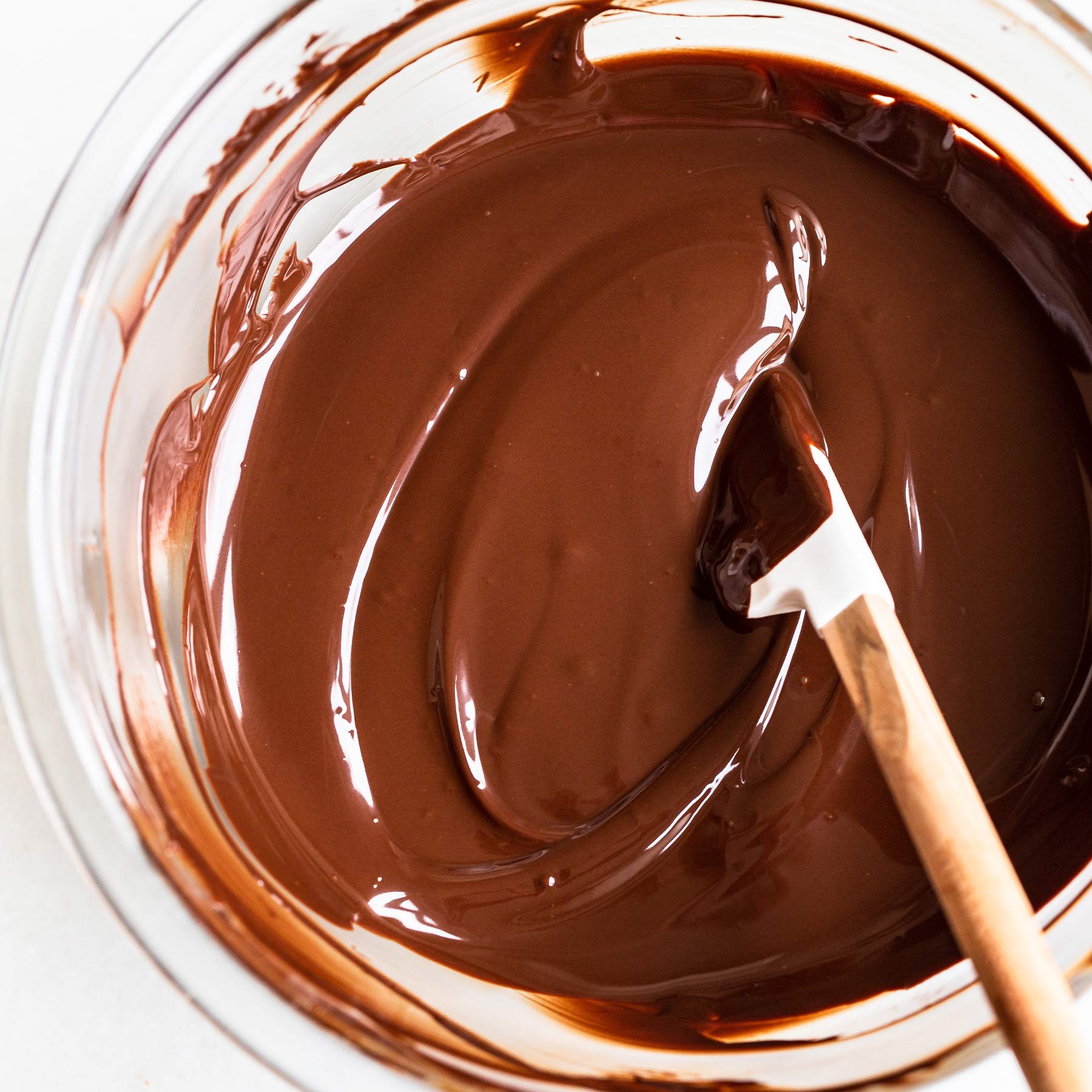
Imagine biting into a perfectly crafted piece of chocolate – it shatters with a satisfying snap, gleams with a luxurious sheen, and melts smoothly on your tongue without a hint of dullness or waxy texture. This isn't magic; it's the result of a scientific process called tempering. While it might sound like a technique reserved for professional chocolatiers, mastering how to temper chocolate at home is entirely achievable and immensely rewarding. It transforms your homemade confections from good to gourmet, bestowing them with that coveted professional finish.
Tempering is the secret behind those flawless chocolate-covered truffles, bonbons, and bars that look as incredible as they taste. It prevents the common chocolate mishaps like "fat bloom" (those unsightly white streaks) and crumbly textures, ensuring your creations are structurally sound and visually stunning. This comprehensive guide will demystify the science behind perfect chocolate and walk you through practical methods you can use in your own kitchen.
Unlocking the Mystery: What Exactly is Tempering Chocolate?
At its core, tempering refers to a precise series of heating, cooling, and re-warming stages designed to stabilize the fat crystals within cocoa butter. Cocoa butter, a major component of chocolate (comprising 25-40% of dark chocolate), has a unique property: its fat crystals can solidify into six different forms, each with distinct melting points and physical characteristics. When chocolate is simply melted and allowed to cool uncontrolled, these crystals re-form haphazardly, resulting in a dull, soft, and brittle product prone to developing grayish streaks known as fat bloom.
The goal of tempering is to coax the cocoa butter into forming primarily Form V crystals. These specific crystals are the "good guys" – they are highly stable, tightly packed, and responsible for all the desirable qualities we associate with fine chocolate: a beautiful glossy surface, a firm texture that yields a crisp snap when broken, and a smooth, consistent melt in the mouth. Once chocolate is melted, its organized Form V structure is lost, necessitating a controlled re-crystallization process to regain these optimal properties. It's a technical dance, but one that yields delicious results.
The Essential Toolkit for Tempering Success
Before you dive into the tempering process, gathering the right equipment is crucial. Think of these as your non-negotiable allies in achieving chocolate perfection:
- High-Quality Chocolate: This is paramount. If you're going to invest the time and effort, don't compromise on the chocolate itself. Opt for high-quality couverture chocolate, which typically has a higher cocoa butter content, making it easier to temper and providing superior results.
- Accurate Digital Thermometer: Precision is key. A reliable digital thermometer (a candy thermometer or an instant-read thermometer) is absolutely essential. Eyeballing temperatures simply won't cut it for tempering.
- Double Boiler Setup: This is your safest bet for gentle, indirect heating, preventing scorching or overheating.
- Heavy-Bottomed Saucepan: For the simmering water.
- Heat-Resistant Bowl: A metal or heat-resistant glass bowl that fits snugly over your saucepan without touching the water below. Metal bowls are often preferred as they conduct heat quickly and are lighter to handle.
- Key Tip: Ensure the bottom of the bowl never touches the simmering water. The steam itself is what provides the gentle heat. Additionally, be meticulously careful to prevent even a single drop of water from entering your chocolate, as it will cause the chocolate to seize and become unusable. Always wipe any condensation from the bottom of your bowl before removing it from the steam.
- Rubber Spatulas/Scrapers: For continuous, even stirring.
- Patience: While not a tool, a calm and patient approach is indispensable. Tempering is a delicate process that rewards careful attention.
- Optional but Recommended: Chocolate molds, parchment paper (for testing temper), and an offset spatula for spreading.
Mastering the Methods: How to Temper Chocolate at Home
There are several methods for tempering chocolate, ranging from straightforward to more traditional and labor-intensive. For home use, the "seed method" is widely considered the easiest and most reliable. Keep in mind that the exact temperatures vary for different types of chocolate.
Temperature Guidelines for Different Chocolate Types
The precise temperatures are critical for success. These are general guidelines; always refer to your chocolate manufacturer's recommendations if available:
- Dark Chocolate:
- Initial Melt: 115-120°F (46-49°C)
- Cooling/Working: 88-91°F (31-33°C)
- Milk Chocolate:
- Initial Melt: 110-115°F (43-46°C)
- Cooling/Working: 86-88°F (30-31°C)
- White Chocolate:
- Initial Melt: 105-110°F (40-43°C)
- Cooling/Working: 84-86°F (29-30°C)
Method 1: The Seed Method (Recommended for Home Bakers)
This technique leverages the stable Form V crystals in existing tempered chocolate (your "seed" chocolate) to encourage the new chocolate to crystallize correctly. It's often referred to as the easiest way to temper chocolate at home, especially if you start with quality, already-tempered chocolate.
- Melt the Majority: Chop your high-quality chocolate into small, uniform pieces. Set aside about 25-30% of this chopped chocolate (your "seed"). Place the remaining 70-75% into your heat-resistant bowl over a gently simmering double boiler.
- Reach Initial Melt Temperature: Stir the chocolate continuously as it melts. Bring the chocolate to its initial melt temperature (e.g., 115-120°F for dark chocolate). Use your thermometer to monitor closely. Once it reaches this temperature, all the fat crystals will be completely melted and disorganized.
- Remove and Seed: Immediately remove the bowl from the double boiler, wiping the bottom thoroughly to remove any condensation. Add your reserved, finely chopped "seed" chocolate into the melted chocolate.
- Cool and Stir: Stir continuously and vigorously. The seed chocolate, being already tempered, contains the desirable Form V crystals. As it melts into the warmer chocolate, it lowers the overall temperature and encourages the other cocoa butter crystals to align into Form V. Continue stirring until the seed chocolate is fully melted and the entire mixture reaches its working temperature (e.g., 88-91°F for dark chocolate). This process takes time and consistent stirring.
- Test the Temper: Dip the tip of a spoon or an offset spatula into the chocolate and place it on a piece of parchment paper or in the refrigerator for a few minutes. If it sets quickly (within 3-5 minutes), is shiny, and snaps cleanly, your chocolate is in temper. If it's dull or soft, it's not tempered, and you may need to add more seed or gently re-warm slightly if it cooled too much.
- Maintain Working Temperature: Once tempered, keep the chocolate at its working temperature. You can achieve this by placing the bowl back over the (turned off) warm water for very short periods, or using a warming mat if you have one, stirring frequently.
Method 2: Microwave Method (Quick & Simple)
This is a quick alternative for small quantities but requires more vigilance to prevent overheating.
- Chop chocolate finely and place it in a microwave-safe bowl.
- Microwave in short bursts (15-30 seconds), stirring thoroughly after each burst.
- The goal is to melt the chocolate mostly by the residual heat of the bowl and the melted chocolate itself, rather than direct microwave energy.
- When the chocolate is mostly melted but still has a few lumps, remove it and stir continuously until all lumps disappear and it reaches the desired working temperature.
- Test the temper as described above.
Troubleshooting & Tips for Perfect Results
Even with the best intentions, tempering can present challenges. Here’s how to navigate common pitfalls and ensure success:
- Water is the Enemy: We can't stress this enough. Even a tiny drop of water will cause your chocolate to seize, transforming it into a thick, grainy paste. Ensure all your equipment is completely dry.
- Don't Overheat: Exceeding the initial melt temperature (especially for white and milk chocolate) can burn the milk solids and sugar, giving the chocolate an off-flavor and making it harder to temper. Overheating can also destroy all Form V crystals beyond recovery.
- Undertempering: If your chocolate isn't shiny or doesn't snap, it likely hasn't developed enough Form V crystals. This means it either didn't cool sufficiently or wasn't seeded effectively. You might need to add a bit more seed chocolate and continue stirring to bring the temperature down further while encouraging crystallization.
- Overtempering: If your chocolate becomes too thick and difficult to work with, it may have over-crystallized (become too cool). Gently warm it back up by placing the bowl over the double boiler for just a few seconds, stirring constantly, until it reaches the desired working temperature and regains fluidity.
- Work Efficiently: Once your chocolate is in temper, work relatively quickly. As it cools, it will continue to thicken.
- Practice Makes Perfect: Don't get discouraged if your first attempt isn't flawless. Tempering is a skill that improves with practice.
For more detailed step-by-step guides and visual aids, explore our articles on How to Temper Chocolate at Home: Easy Methods for Shine & Snap and Tempering Chocolate Guide: Achieve Glossy, Snappy Results at Home.
Conclusion
The journey to understanding how to temper chocolate might seem daunting initially, but with the right knowledge, equipment, and a dash of patience, you can consistently achieve stunning, professional-quality results right in your home kitchen. Embracing the science of cocoa butter crystals and mastering the delicate temperature dance will unlock a new level of chocolate artistry for you. So, gather your ingredients, fire up your double boiler, and prepare to create beautiful, shiny, and satisfyingly snappy chocolate confections that will impress everyone who takes a bite.
