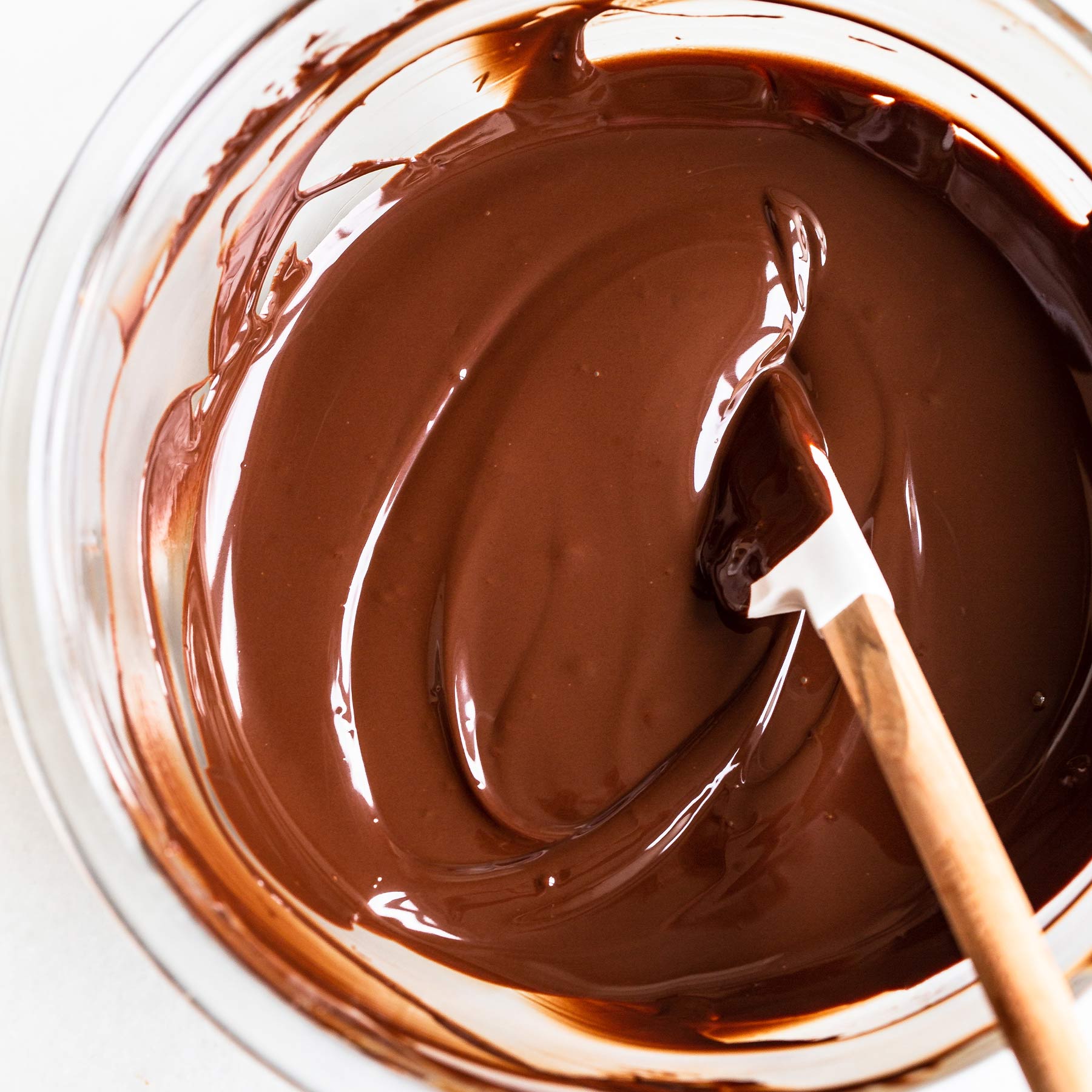
How to Temper Chocolate at Home: Easy Methods for Shine & Snap
There's a magical moment when you break a piece of high-quality chocolate: a distinct, crisp snap, followed by a smooth, melt-in-your-mouth texture. The surface gleams with a beautiful, even shine, free from any dullness or streaks. This isn't just a happy accident; it's the hallmark of perfectly tempered chocolate. While the term "tempering" might sound intimidatingly technical, involving precise temperatures and scientific principles, achieving this professional finish in your home kitchen is more accessible than you think. Learning
how to temper chocolate empowers you to create stunning confections, from glossy chocolate-covered truffles to perfectly molded figures, all with that desirable snap and irresistible sheen.
What is Chocolate Tempering and Why Does it Matter?
At its core, tempering refers to a controlled process of heating and cooling chocolate to manipulate the crystallization of its cocoa butter content. Cocoa butter, the natural fat found in cocoa beans, makes up 25-40% of dark chocolate and is responsible for many of chocolate's desirable physical properties. Unlike water, which forms a single type of crystal when frozen, cocoa butter can crystallize into six different forms, each with unique melting points and stabilities.
When chocolate is melted carelessly (e.g., too quickly or at too high a temperature), its organized crystal structure breaks down. If allowed to cool and solidify without proper guidance, these cocoa butter crystals will reform haphazardly, often settling into unstable, irregular forms. The result? Chocolate that looks dull, has a soft or crumbly texture, melts unevenly, and might develop unsightly white or gray streaks (known as fat bloom) over time. This is why untempered chocolate simply doesn't deliver that satisfying experience.
The goal of tempering is to encourage the cocoa butter to crystallize predominantly into its most stable and desirable form: known as Form V. Form V crystals are perfectly aligned, giving chocolate its characteristic hard snap, beautiful gloss, smooth melt, and resistance to blooming. It's truly the secret behind professional-looking chocolate creations. For a deeper dive into the fascinating science behind these crystals, explore
The Science of Perfect Chocolate: Shine, Snap & Stable Crystals.
Essential Tools and Ingredients for Tempering Success
Before you embark on your tempering journey, gather a few key items. Quality tools and ingredients will significantly impact your results.
1.
High-Quality Chocolate: This is non-negotiable. If you're going to invest the time in tempering, don't skimp on the chocolate itself. Look for couverture chocolate (which has a higher cocoa butter content, making it ideal for tempering) or a good quality baking chocolate in bar or chip form. Different types of chocolate have slightly different tempering temperatures, so choose wisely:
*
Dark Chocolate: Typically melts around 115-120°F (46-49°C), cooled to 88-91°F (31-33°C).
*
Milk Chocolate: Typically melts around 110-115°F (43-46°C), cooled to 86-88°F (30-31°C).
*
White Chocolate: Typically melts around 105-110°F (41-43°C), cooled to 82-84°F (28-29°C).
*
Note: Always check the manufacturer's recommendations, as these can vary slightly.
2.
Accurate Thermometer: A digital instant-read thermometer or a candy thermometer is crucial for precise temperature control. This is arguably the most important tool you'll need.
3.
Double Boiler Setup: This gentle, indirect heating method is ideal for melting chocolate without scorching it. You'll need:
* A heavy-bottomed saucepan or saucepot.
* A heatproof bowl (metal is often preferred as it's lighter and more conductive).
*
Tips for your double boiler: Ensure the bowl fits snugly over the saucepan without touching the simmering water below. The steam, not the direct heat of the water, should melt the chocolate. Keep the water at a gentle simmer, not a rolling boil.
4.
Rubber Spatula or Metal Spoon: For constant stirring.
5.
Clean, Dry Surfaces: Any contact with water can ruin tempered chocolate (this is often called "seizing"). Ensure your bowls, spatulas, and work surfaces are completely dry. Even a drop of condensation from the double boiler can be detrimental, so wipe the bottom of your chocolate bowl thoroughly when removing it from the steam.
6.
Patience: Tempering is a delicate dance between heat and time. Don't rush the process!
Easy Methods for Tempering Chocolate at Home
While there are several ways to temper chocolate, we'll focus on the most reliable and home-cook friendly methods.
Method 1: The Seeding Method (Most Recommended for Home Use)
The seeding method is widely considered the easiest and most foolproof way to achieve perfectly tempered chocolate at home. It works by introducing already stable cocoa butter crystals (the "seed" chocolate) into melted chocolate, encouraging the entire batch to crystallize correctly.
Steps:
1.
Melt the Bulk Chocolate: Chop about 75-80% of your chosen chocolate into small, uniform pieces. Place it in your heatproof bowl over a gently simmering double boiler. Stir frequently with a dry spatula until the chocolate is fully melted and smooth. Heat it to its initial melting temperature (e.g., 115-120°F for dark chocolate). Remove the bowl from the double boiler, wiping the bottom completely dry.
2.
Add the "Seed" Chocolate: Immediately add the remaining 20-25% of your chopped, *unmelted* chocolate (the "seed" chocolate) to the melted chocolate. The seed chocolate should also be good quality, already tempered chocolate (e.g., chocolate chips or a chopped bar from a bag).
3.
Stir and Cool: Continuously stir the chocolate. The cool, unmelted pieces will help rapidly lower the temperature of the melted chocolate, while simultaneously introducing stable Form V crystals. Keep stirring until all the seed chocolate has melted and the mixture has cooled to its working temperature (e.g., 88-91°F for dark chocolate). This is where your thermometer is vital.
4.
Test for Temper: Dip the tip of a spoon or a piece of parchment paper into the chocolate. Let it sit at room temperature for 3-5 minutes. If it's correctly tempered, it should set quickly, be shiny, and snap crisply when broken. If it doesn't set or looks dull, it's not in temper.
5.
Maintain Working Temperature: Once tempered, you need to keep the chocolate at its working temperature. You can do this by placing the bowl back over the *warm, but not simmering* water of your double boiler for short periods, or by using a heating pad on a low setting. If your chocolate cools too much and starts to thicken, you can gently reheat it by a degree or two, stirring constantly, making sure not to exceed the working temperature.
Method 2: The Gentle Melting Method (for Already Tempered Chocolate)
This isn't a tempering method per se, but rather a way to *maintain* the temper of high-quality, already tempered chocolate without needing to go through the full heating and cooling cycle. This is the "temper without tempering" approach mentioned in the reference.
Steps:
1.
Chop Chocolate: Finely chop your high-quality, already tempered chocolate.
2.
Gentle Heat: Using a double boiler, gently heat the chocolate to its *working temperature* (e.g., 88-91°F for dark chocolate) while stirring constantly. The key is to never exceed this working temperature. You're simply melting it while preserving the stable crystal structure it already possesses.
3.
Use Immediately: Once melted and at the correct working temperature, use the chocolate for dipping or molding. If it starts to cool and thicken, you can very gently re-warm it, but be careful not to overheat.
This method is quick and easy, but only works if your starting chocolate is already well-tempered.
Method 3: The Tabling Method (Advanced, Professional)
While more involved, the tabling method is a classic technique used by chocolatiers for its consistent results and ability to handle larger quantities. It's often used by those who truly want to master
how to temper chocolate.
Steps:
1.
Melt to Peak Temperature: Melt all your chocolate in a double boiler to a slightly higher temperature than for the seeding method (e.g., 118-122°F for dark chocolate).
2.
Cool on Marble: Pour two-thirds of the melted chocolate onto a clean, cool marble or granite slab. Using a bench scraper and metal spatula, continually spread and scrape the chocolate across the surface. This rapid movement and contact with the cool surface quickly cools the chocolate, encouraging stable crystal formation.
3.
Combine and Reheat: Continue working the chocolate until it thickens and begins to form soft peaks, and its temperature drops significantly (e.g., to around 80-82°F for dark chocolate). Quickly scrape this cooled chocolate back into the bowl with the remaining one-third of warm chocolate.
4.
Adjust to Working Temperature: Stir the mixture well. The warmer chocolate will gently raise the temperature of the cooled chocolate to its ideal working temperature (e.g., 88-91°F for dark chocolate). Test and maintain as with the seeding method.
For a more in-depth exploration of various techniques and nuances, including visual guides, check out our comprehensive
Tempering Chocolate Guide: Achieve Glossy, Snappy Results at Home.
Troubleshooting Common Tempering Problems
Even with the right methods, tempering can present challenges. Here are some common issues and how to address them:
*
Dull Finish / No Snap: The most common sign of failed temper. This usually means the chocolate was either not cooled enough, or it was overheated during the melting or re-warming phase, destroying the stable crystals. Go back and re-temper.
*
Fat Bloom (White/Gray Streaks): This occurs when unstable cocoa butter crystals migrate to the surface. It's safe to eat but indicates improper tempering or storage. Re-tempering will resolve it.
*
Sugar Bloom (Grainy Texture): This is caused by moisture coming into contact with the chocolate, dissolving the sugar, which then recrystallizes on the surface. Prevention is key: keep water away from your chocolate! Sugar bloom cannot be fixed by re-tempering.
*
Chocolate is Too Thick: It might be slightly too cool or has seized due to water contact. If just too cool, gently re-warm a degree or two. If seized, it's often beyond repair for tempering.
*
Chocolate is Too Thin: It's likely too warm. Remove from heat and stir until it cools to the working temperature.
Tips for Ongoing Success
*
Patience is a Virtue: Don't rush any step. Temperature changes need to be controlled and gradual.
*
Cleanliness and Dryness: Water is the enemy of chocolate. Ensure all your equipment is spotless and bone dry.
*
Practice Makes Perfect: Don't be discouraged if your first attempt isn't flawless. Tempering is a skill that improves with practice. Start with smaller batches.
*
Ideal Environment: Work in a cool, dry room. Humidity and heat can make tempering more difficult.
*
Applications: Once you've mastered
how to temper chocolate, use it to coat homemade truffles, create elegant chocolate decorations, dip fruits, or make beautiful molded candies for special occasions.
Conclusion
Tempering chocolate at home transforms a simple ingredient into a medium for culinary artistry. While it requires attention to detail and precise temperature control, the methods, especially the seeding method, are entirely achievable for any home baker or aspiring chocolatier. The reward for your efforts is undeniable: beautifully shiny chocolate that breaks with a satisfying snap, melts smoothly on the tongue, and holds its pristine appearance for longer. So, grab your thermometer, choose your favorite high-quality chocolate, and get ready to impress with your stunning, expertly tempered creations!